In 2020, as the world grappled with the uncertainties of the COVID-19 pandemic, the cryptocurrency market exploded into the mainstream spotlight. Bitcoin surged past $20,000, DeFi projects captured imaginations, and retail investors like me dove headfirst into the world of crypto speculation. What made this entry point so accessible? Free content was everywhere—YouTube tutorials, Twitter threads, Reddit discussions—and it formed the backbone of my entire learning journey. This article chronicles that path, offering insights for anyone starting their own crypto trading journey today.
The Spark: Discovering Crypto Speculation in 2020
The year 2020 was a perfect storm for cryptocurrency beginners. The Bitcoin halving in May reduced mining rewards, historically a catalyst for price rallies, and coupled with institutional interest from companies like MicroStrategy and Tesla, it ignited a bull market frenzy. For me, it started with a casual scroll through social media. A friend shared a meme about Bitcoin hitting $100,000, and curiosity led me down the rabbit hole.
I had no prior finance background—just a regular job and a savings account yielding next to nothing. Traditional markets felt intimidating with their jargon and barriers to entry. Crypto, however, was different. Platforms like Coinbase made buying Bitcoin as easy as ordering takeout. But speculation? That was the thrill. Unlike long-term holding (HODLing), crypto speculation involves short-term trades betting on price volatility—altcoins pumping 10x overnight or meme coins like Dogecoin defying logic.
Free content was my gateway drug. Podcasts like “What Bitcoin Did” broke down the halving’s impact without requiring a PhD in economics. Twitter became my real-time newsfeed, with influencers like @PlanB sharing stock-to-flow models predicting massive gains. By summer, DeFi was buzzing—yield farming on Uniswap promised APYs over 1,000%. I didn’t need paid courses; the internet overflowed with tutorials explaining liquidity pools and impermanent loss.
Why 2020 Stood Out for Free Crypto Education
- Explosion of YouTube Channels: Creators like CoinBureau and DataDash offered daily market analysis, technical breakdowns, and beginner guides—all gratis.
- Reddit Communities: Subreddits such as r/cryptocurrency and r/wallstreetbets provided unfiltered discussions, AMAs with project founders, and crowd-sourced due diligence.
- Blogs and Newsletters: Sites like Messari.io and free newsletters from Bankless demystified complex topics like layer-2 scaling solutions.
This abundance democratized crypto speculation, turning novices into informed traders overnight. My first trade? A small bet on Chainlink (LINK) after reading a free whitepaper summary. It doubled in weeks, hooking me for good.
Leveraging Free Resources: Building a Solid Foundation
With paid mentorships costing thousands, I relied solely on free content for my learning journey. The key was curation—avoiding hype and seeking substance. I created a daily routine: morning Twitter scans for sentiment, afternoon YouTube deep dives, evening Reddit recaps. This self-directed education covered everything from blockchain basics to advanced trading strategies.
Start with fundamentals. Free Khan Academy-style videos on YouTube explained public-key cryptography and consensus mechanisms like Proof-of-Work. Then, market analysis: TradingView offered free charts with indicators like RSI and MACD. I practiced paper trading on platforms like TradingView’s simulator, honing skills without risking capital.
Essential Free Tools and Platforms for Crypto Learners
- CoinMarketCap and CoinGecko: Real-time price tracking, historical data, and tokenomics breakdowns to spot undervalued gems.
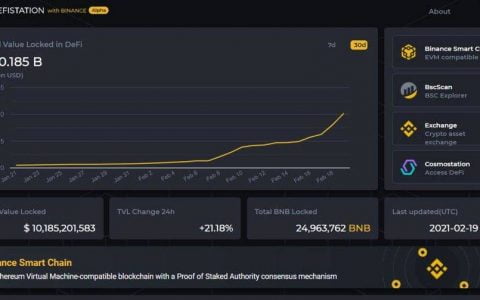
- DefiLlama: TVL rankings for DeFi protocols, crucial for spotting trends like the 2020 yield farming boom.
- Twitter Spaces and Clubhouse: Live AMAs with devs and VCs—pure gold for insider perspectives.
- GitHub Repos: Open-source code for projects like Ethereum, teaching smart contract vulnerabilities hands-on.
One pivotal resource was the “Crypto Twitter” ecosystem. Following threads from @sassal0x on Ethereum upgrades or @woonomic on macro trends built my macro view. Free e-books like “The Bitcoin Standard” (PDFs circulated widely) provided historical context, explaining why Bitcoin isn’t just digital gold but a hedge against fiat inflation.
By late 2020, I’d internalized risk management—never investing more than I could lose, diversifying across BTC, ETH, and alts. Free content taught me to DYOR (Do Your Own Research): Check token distribution on Etherscan, read audits on Certik, and gauge community health on Discord.
Navigating Wins, Losses, and Key Lessons in Speculation
Speculation isn’t gambling; it’s informed risk-taking. My early days were a rollercoaster. I aped into YFI during DeFi summer, riding a 5x pump, but got rekt on a rug-pull scam after ignoring red flags like anonymous devs. Free autopsy reports on Medium articles turned losses into lessons.
Technical analysis (TA) became my edge. Free courses on BabyPips (forex-focused but applicable) taught candlestick patterns and Fibonacci retracements. I spotted Bitcoin’s head-and-shoulders reversal before the 2021 correction, exiting alts timely.
Core Strategies That Shaped My Crypto Trading Journey
- Momentum Trading: Jumping on breakouts, like Solana’s 2020 rise from $1 to $20, confirmed by volume spikes on free charts.
- Scalping Volatility: Short-term trades during news events, using Binance futures (demo mode first).
- Portfolio Allocation: 50% BTC/ETH core, 30% mid-caps, 20% high-risk specs—rebalanced monthly via Excel sheets.
- FOMO Avoidance: Waiting for pullbacks; free sentiment tools like LunarCrush quantified hype levels.
Psychology was the hardest lesson. Free books like “Trading in the Zone” PDFs curbed emotional trades. I journaled every position, reviewing via Notion templates shared on Reddit. Over time, my win rate climbed from 40% to 65%, compounding small gains.
2020’s free content also highlighted pitfalls: Pump-and-dump schemes on Telegram, wash trading inflating volumes, regulatory risks like China’s mining ban. Staying informed via free newsletters like The Block kept me ahead.
Evolving Beyond 2020: Adapting to a Maturing Market
The bull run peaked in 2021, but my learning journey continued. NFTs exploded—free OpenSea tutorials taught minting and flipping. Layer-1 wars (Solana vs. Avalanche) required updating playbooks. Bear markets in 2022 tested resilience; free on-chain analysis via Dune Analytics revealed capitulation bottoms.
Today, free resources have evolved: AI tools like ChatGPT for code audits, podcasts covering ETF approvals. My speculation style matured—less leverage, more staking for passive yields. From a $1,000 starter portfolio, disciplined trading grew it 20x, proving free education’s power.
Yet, challenges persist. Scams abound; always verify via free tools like RugDoc. Regulations loom—SEC actions on staking demand vigilance. Continuous learning via free MOOCs on Coursera (blockchain courses) keeps me sharp.
Takeaways: Your Path to Mastering Crypto Speculation
Looking back, 2020’s wealth of free content was all I needed for my crypto speculation road. It remains true today: Success hinges on discipline, not dollars spent. Key takeaways for your journey:
- Prioritize free, high-quality sources—curate your feed ruthlessly.
- Practice relentlessly with paper trading and small positions.
- Master risk: Position sizing under 2% per trade, stop-losses mandatory.
- Embrace failures as data points; journal everything.
- Stay adaptable—crypto evolves fast, so should you.
Whether you’re eyeing the next bull cycle or hedging inflation, crypto trading rewards the prepared. Dive in with free resources, speculate wisely, and carve your own path. The market awaits.
内容搜集自网络,整理者:dfkai,如若侵权请联系站长,会尽快删除。